








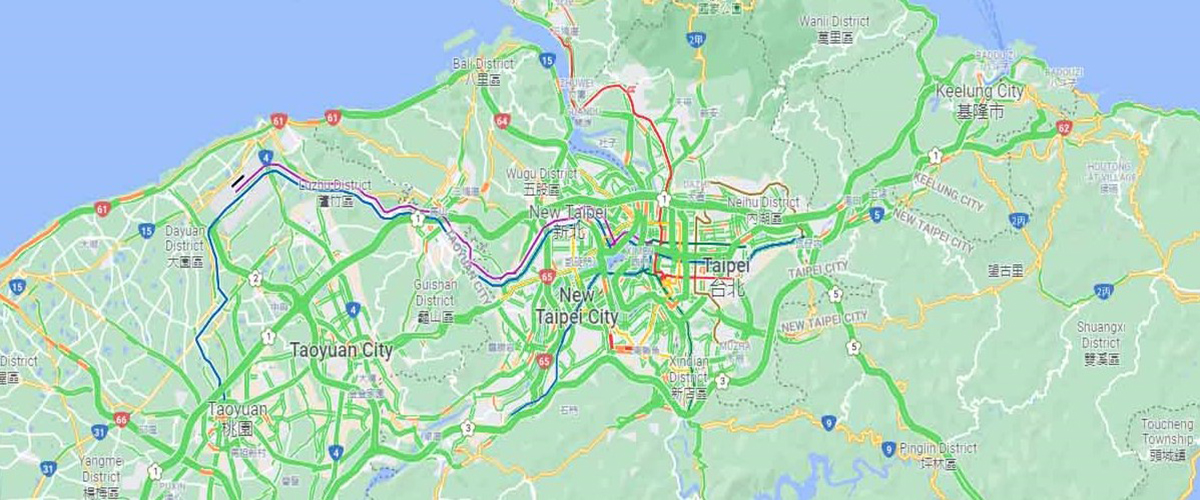
Taipei is the capital and a special municipality of the Republic of China (Taiwan). Located in Northern Taiwan, Taipei City is an enclave of the municipality of New Taipei City that sits about 25 km (16 mi) southwest of the northern port city of Keelung. Most of the city rests on the Taipei Basin, an ancient lakebed. The basin is bounded by the relatively narrow valleys of the Keelung and Xindian rivers, which join to form the Tamsui River along the city's western border. The municipality of Taipei is home to an estimated population of 2,494,813 (March 2023), forming the core part of the Taipei–Keelung metropolitan area, also known as "Greater Taipei", which includes the nearby cities of New Taipei and Keelung with a population of 7,047,559, the 40th most-populous urban area in the world—roughly one-third of Taiwanese citizens live in the metro areas.
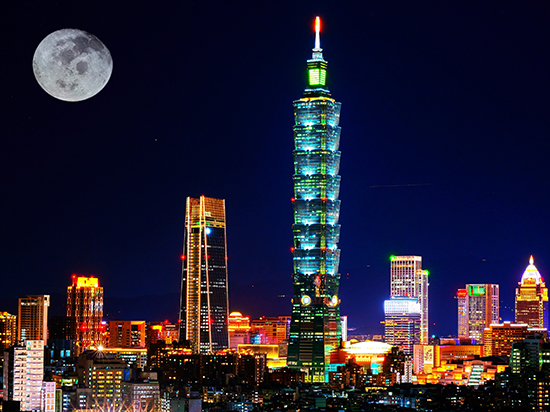
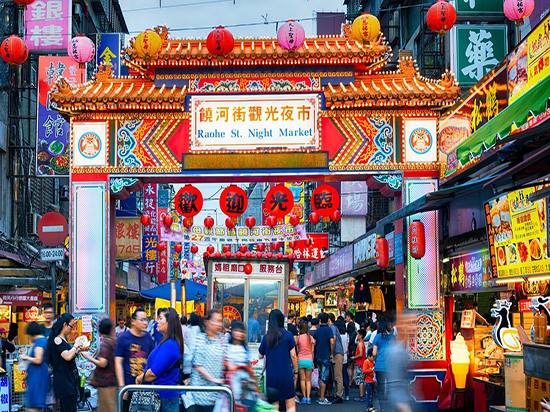
Taipei is the economic, political, educational and cultural center of Taiwan and one of the major hubs in East Asia. Railways, highways, airports and bus lines connect Taipei with all parts of the island. The city is served by two airports – Songshan and Taoyuan. The municipality is home to architectural and cultural landmarks, including Taipei 101 (formerly the tallest building in the world), Chiang Kai-shek Memorial Hall, Dalongdong Baoan Temple, Hsing Tian Kong, Lungshan Temple of Manka, National Palace Museum, Presidential Office Building, Taipei Guest House and Zhinan Temple. Shopping districts including Ximending as well as several night markets dispersed throughout the city. Natural features include Maokong, Yangmingshan and hot springs.